


Theme 1: Looking outwards in all that we do
Being easy to work with is not about being more accommodating, it's about being more effective in our partnerships, collaborations, relationships and community building.
We commit to becoming the model of 'One University' working while building strategic partnerships locally, nationally, and internationally.
Internal University Partnerships
We will eliminate friction points where partners encounter inconsistent policies or contradictory advice. We will ensure clear accountability for decisions, rapid turnaround, and proactive engagement with Faculties, Schools, other parts of Professional Services and the Cultural Institutions.
International Partnerships and Cultural Diplomacy
We will demonstrate that our global reach can be radical through distinct, measurable international engagement.
Global Cultural Partnerships Initiative
- Manchester 2035 Leap: Partner of Choice
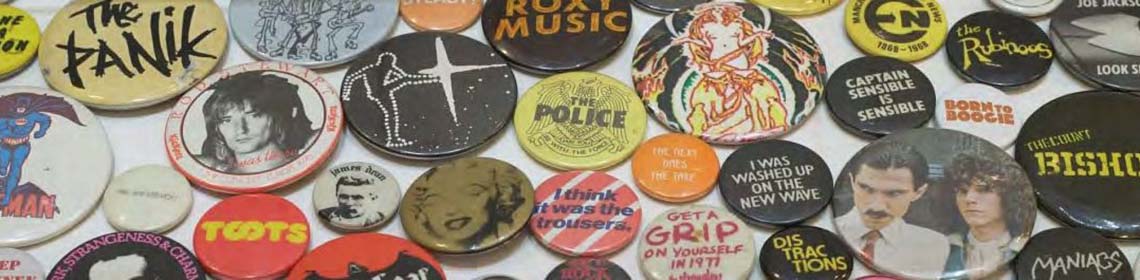
Operationalising Manchester 2035's international commitment through cultural diplomacy will mean travelling exhibitions featuring Manchester collections, joint digitisation projects with partner institutions, scholar-in-residence exchanges, and fundraising advancement activity across the UK and the world. The British Pop Archive's New York, London and Berlin exhibitions in 2026 and 2027 and the North American papyri exhibition exemplify this approach, using our world-class collections to project Manchester's intellectual and cultural leadership internationally.
2. Humanitarian Archive: Redefining Applied Archives
- Manchester 2035 Leap: Research Impact
The Humanitarian Archive will become a globally recognised resource that redefines the concept of applied archives. In partnership with the Humanitarian and Conflict Response Institute (HCRI), we will expand our collections documenting humanitarian response to conflict, natural disasters, and human-made crises across Asia, Europe, Africa, and South America. We will develop the archive as active research and teaching infrastructure, not passive storage, supporting scholarship on humanitarian medicine, disaster preparedness, refugee protection, and the ethics of aid. We will grow our oral history programme, capturing testimonies from humanitarian actors before institutional memory is lost. We will create educational resources that connect historical humanitarian practice to contemporary challenges, and build partnerships with NGOs, UN agencies, and practitioner networks internationally. By 2035, the Humanitarian Archive will be essential infrastructure for anyone researching, teaching, or working in humanitarian response, demonstrating that archives can be engines of applied impact as well as historical preservation.
Civic Partnerships and Community Engagement
Building on the work of our schools’ programmes we will continue to expand community outreach beyond Manchester city centre, enhancing relationships with FE and public libraries, promoting lifelong learning and digital inclusion. This means co-creating services with community partners, clear articulation of mutual benefits, using our collections to promote truth and critical thinking, and measuring social impact through employment, education, wellbeing, and mobility outcomes.
The Ahmed Iqbal Ullah RACE Centre exemplifies this commitment by providing resources and programming that serve both academic research and community education on racism, migration, and social justice. The University Library takes a clear EDI-led position on these issues and will stand its ground in the face of increasing social challenges.
3. Ahmed Iqbal Ullah RACE Centre: National Leadership in Anti-Racist Scholarship
- Manchester 2035 Leap: Partner of Choice
The Ahmed Iqbal Ullah RACE Centre will become the national reference point for anti-racist scholarship, education, and community engagement. We will expand our archival collections documenting racism, migration, and resistance in Britain. We will develop a national schools’ programme reaching thousands of young people annually, create digital resources that extend our reach beyond Greater Manchester, establish research fellowships that attract scholars internationally, and build partnerships with community organisations that ensure our work remains grounded in lived experience. The RACE Centre demonstrates that the University Library's commitment to truth and social justice are inseparable. By 2035, the RACE Centre will be recognised as essential infrastructure for anyone researching or teaching about race and racism in Britain.
Philanthropic Relationships
Our philanthropic potential is barely tapped. We have collections of almost inestimable value, spaces that inspire transformation, stories that allow people to believe in the power of education, research and social change.
4. British Pop Archive
- Manchester 2035 Leap: Partner of Choice
The British Pop Archive (BPA) is our test case for what Special Collections can become. We will open a dedicated object and digital exhibition space with an active schools’ programme. We will create commercial partnerships with the music industry, develop a bespoke philanthropic programme and expand our international touring exhibitions. The BPA demonstrates Manchester 2035's 'thinking bigger and doing things differently' and tests our new advancement capabilities in a domain where donors have deep emotional connections. We will begin in 2027 with a pilot central Manchester British Pop Archive: Pop UP.
Beyond this anchor, we commit to furthering dedicated fundraising capacity, creating donor cultivation programmes around collections and impact, establishing fellowships and named spaces, developing alumni engagement strategies, and generating unrestricted income for strategic reinvestment.
5. Building Advancement and Philanthropy Capacity
- Manchester 2035 Leap: Partner of Choice
We will build the strategic infrastructure required to realise our philanthropic potential. This means establishing dedicated advancement capacity within the Library, creating systematic donor identification and cultivation programmes, developing compelling cases for support around our collections, spaces, and impact stories, and building relationships with foundations, trusts, and individual donors internationally. We will work in close partnership with the University's Division of Development and Alumni Relations while developing Library-specific expertise in cultural philanthropy. We will establish named fellowships, create giving circles around special collections, and develop a pipeline of major gift prospects. By 2030, philanthropic income will be a significant and growing component of our strategic investment capacity, enabling us to pursue ambitious projects that core funding alone cannot support.