


Acting on feedback in Mechanical and Aerospace Engineering
18 Mar 2026
Taking practical steps to address themes around workload, stress, community and recognition
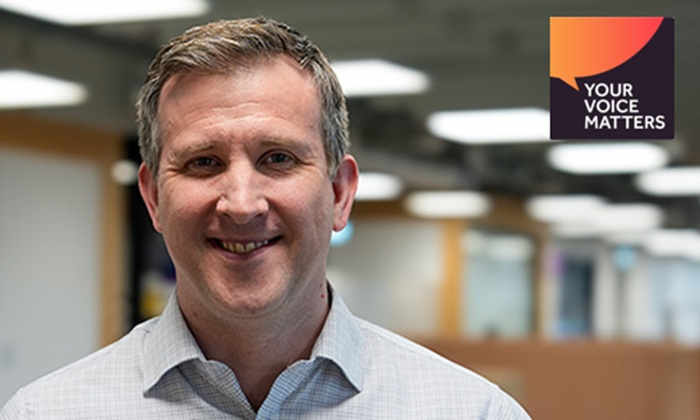
Following last year’s colleague engagement survey, the Department of Mechanical and Aerospace Engineering has been taking practical steps to address themes around workload, stress, community and recognition. Head of Department, Professor Alistair Revell, shares how the Department approached its action planning, what has been implemented so far and how the culture is beginning to shift.
Looking back at last year’s survey responses, what stood out to you most?
Work-related stress and work-life balance featured strongly along with colleagues not always feeling supported, valued or part of a community. We have large student numbers and in recent years, that has translated into high workloads. At the same time, there has been significant change – new structures, new systems and the formation of a new Department in September 2024. When you combine workload pressures with organisational change, it is understandable that this would come through in the survey results. So while not especially positive, they provided an honest reflection of the challenges we were already aware of.
How did you approach the action planning?
Shortly after the survey closed, we used a Departmental away day as a dedicated space to examine what was working, identify where change was needed and agree where we should focus our efforts. We created a report that set out short, medium and long-term priorities which gave us actions for the next six months, the next year and beyond. We played the proposed actions back to colleagues, refined them and have been steadily working through them over the past six months.
Community and belonging were key themes. What have you done to strengthen that?
One of our immediate priorities was rebuilding a sense of community. As a large Department spread across multiple floors with hybrid working adding further complexity, informal interaction no longer happens naturally. We recognised that we needed to be more deliberate in creating opportunities for connection.
We introduced monthly coffee mornings, aligned with postgraduate researcher sessions, alongside a refreshed research seminar series and reinstated professorial lectures. These events are designed to be both academic and social, showcasing work while bringing colleagues together. Our five academic groups are also now meeting regularly, providing space to raise issues, share ideas and support one another, supported by dedicated Teams channels to maintain communication. The aim is to embed these interactions as part of the new normal rather than one off initiatives.
Workload and stress were also significant concerns. How are you addressing those?
This is more complex and inevitably longer term. Health, Safety and Wellbeing committees have recently been devolved to Departmental level which gives us a structured forum to discuss stress and wellbeing as Departmental priorities. We have begun developing a stress risk register starting with a meeting audit which maps out who is invited to which meetings, how often they occur and how long they last. That may sound simple, but it has already highlighted duplication and individuals who were being pulled into too many commitments.
We are also developing an annual planning log to map key activities across the year. Universities are complex environments with competing demands, and it is easy to lose sight of the cumulative effect. Bringing that into a single planning tool helps us identify pinch points and avoid unnecessary pressure where possible. Importantly, our wellbeing committee includes colleagues from across different teams and student representatives. That breadth of perspective helps ensure we are focusing on what genuinely matters.
You’ve been working on workload allocation and transparency. What has changed there?
We are continuing to refine how we use our workload allocation model to ensure it is accurate, fair and transparent. We now hold regular resource meetings with line managers and group leads and are also introducing a set of agreed teaching principles for example, ensuring fairness in teaching loads, recognising the needs of new colleagues and encouraging rotation of responsibilities over time. Much of this is common sense but making the principles explicit helps colleagues understand how decisions are made. Transparency is essential – people may not always agree with every outcome, but they should be able to see the rationale behind it.
How have you strengthened line management?
As a new Department, we introduced a revised line management structure last year with five academic groups and around five line managers in each, typically supporting three to five colleagues. We encouraged some colleagues who were new to line management to take on these roles, broadening experience across the Department. Training is available through People Connect and our Talent Development team and we are actively encouraging participation. Balancing training with teaching commitments is not always easy but it is an important investment. Clear and supportive line management underpins our work on workload, wellbeing and development.
Recognition was another theme in the survey. What steps have you taken there?
We reintroduced a Departmental Christmas event with staff awards which had not happened for some time. Group leads presented the awards and spoke about the contributions colleagues had made. It was a genuinely positive, community-focused occasion. We also introduced a ‘paper of the month’ initiative which recognises recent research publications and includes a small prize allowing us to celebrate academic achievements more visibly. We are now exploring ways to involve students in this, potentially inviting them to vote on the most interesting or impactful papers. With around 1,500 students, even modest engagement would help strengthen the link between teaching and research and give students more insight into what we do.
How have you found using the action planning dashboard?
Like any new system it takes a little time to get used to but once you are in it, it is a really useful tool. More broadly, the process this time has been positive because it gives Departments ownership of their results. Rather than being told what to focus on, we have been able to decide our priorities and shape our own response.
What feels most encouraging at this stage?
We are not claiming to have solved everything – far from it. Universities are complex organisations and some issues will take time. But there has been tangible progress. We have clearer structures, more regular conversations, better forums for community building and stronger visibility around recognition and workload principles. For me, the most important shift is cultural. We are creating more spaces for open discussion about stress, workload, development and what it means to be part of this Department. That is not something you fix overnight, but we are moving in the right direction.