


Acting on feedback in the Research and Business Engagement Team
22 Oct 2025
Chris Dolan and Anna Humble share how FSE’s RBE team is using colleague feedback to enhance wellbeing, connection and an inclusive team culture.
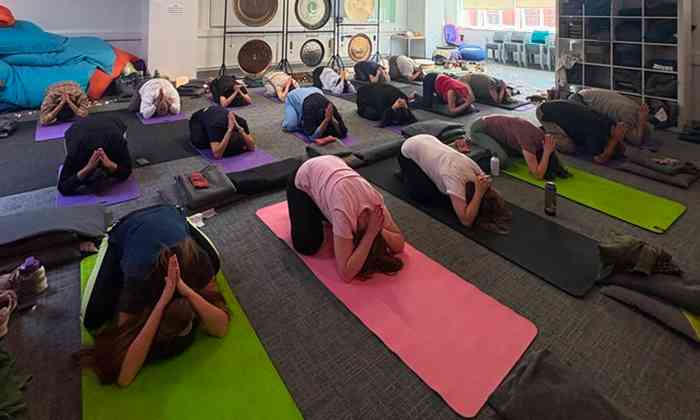
Chris Dolan, FSE’s Head of Research and Business Engagement (RBE), and Anna Humble, Research Support Manager and member of FSE’s RBE’s Wellbeing Team, share how their team has been acting on feedback from the most recent colleague engagement survey. From rethinking awaydays to launching wellbeing initiatives and creating more opportunities for connection, they reflect on what’s changed, what they’ve learned and how small steps are building a stronger, more inclusive team culture.
What were some of the key themes or pieces of feedback that came out of the survey, and how did you decide which areas to prioritise?
Chris: The main things that stood out were career development, engagement and workload. People wanted more opportunities to learn, develop and access training and there were also comments about team connectedness. When we looked at the data, we saw differences between grades and different parts of the team. In previous years we’d taken a one-size-fits-all approach, but this time we tailored things more carefully. We ran an engagement session to dig deeper into those differences and get a clearer understanding of how colleagues felt.
Anna: Mentoring came through strongly too and the importance of having touchpoints across the different areas within RBE. Colleagues wanted a better understanding of what others do, where our work overlaps and how we can build stronger relationships. We’ve tried to encourage that by bringing people together socially as well as professionally because if we can strengthen those relationships, we naturally work better together as a team.
This was the first time you had access to the dashboard rather than just a high-level report, how has that changed your approach?
Chris: The dashboard has been really helpful because it has allowed us to dig beneath the surface. It stopped us from making sweeping generalisations. We could see that not everyone was experiencing things the same way, so it gave us the push to hold engagement sessions to explore the ‘why’ behind the data. About 80% of the team attended the initial session and we gathered anonymous feedback through Padlet. That gave us much richer insights and helped us shape an action plan.
Anna: The engagement session confirmed some things we’d suspected but also highlighted new areas for consideration. We worked closely with Pia Pollock from the Faculty’s Planning, Compliance and Special Projects Team and our People Partner to interpret the results and that helped us identify areas where we could make quick changes whilst we looked at the longer-term actions.
Are there examples of things you’ve already started doing differently as a result?
Chris: Following the engagement session that was held in 2024, we planned a series of volunteering and social opportunities for the team. These began on the same day as our most recent engagement session and will now become a regular feature because they proved so popular. Rather than holding one large awayday, we created smaller, more flexible sessions that worked better for everyone.
The day began with a hybrid engagement session, where colleagues joined in person or online to discuss key themes from the survey, including career development, workload and team connectedness. Around 80% of the team took part, which was a fantastic turnout. In the afternoon, colleagues took part in volunteering activities, which our Wellbeing group planned to promote the University’s scheme, such as helping at Jodrell or supporting local food distribution projects.
This approach was shaped by feedback from colleagues, particularly insights shared during a Neurodiversity Week session, which highlighted that large, in-person events can feel overwhelming for some people. Offering smaller, more flexible options made the day more inclusive and the response was really positive. We’re now planning three volunteering opportunities each year that people can sign up for using their volunteering days. We’ve also built elements of the survey response into our team briefs, dedicating three sessions to topics like career development, wellbeing and workload.
Anna: Another change has been reintroducing more in-person and hybrid team briefs because people missed that connection. We’ve also launched regular Fika breaks for Professional Services colleagues, which give people from different parts of the building a chance to catch up informally. Those small social moments make a big difference in helping colleagues feel part of the same team.
It sounds like you’ve had great engagement, what kind of feedback have you had from the team?
Chris: We’ve had lots of informal positive feedback about the volunteering and social sessions. People said they enjoyed meeting colleagues they wouldn’t normally work with and that it felt natural, not forced. It’s been good to see those changes take hold.
From your experience, what would you say to people who don’t think completing the survey makes a difference?
Anna: I understand why people might feel reluctant to complete the survey if they don’t think their voice matters, but when they see changes happening as a result, that builds trust. The more we encourage open feedback, the better we can make improvements that benefit everyone. It’s about building a culture where people feel comfortable to share their thoughts and know that something will happen as a result.
Chris: I’d say that once you see the data, you really do feel a responsibility to act. Some changes, like creating more face-to-face opportunities, are actually quite simple to implement but have a big impact. The key is not to see this as a one-off exercise but as an ongoing process. We’ve made sure the survey results and action planning are standing items at leadership meetings so they stay on the radar.
Anna, as part of RBE’s Wellbeing Team, you’ve also been leading some wellbeing activities recently. Can you tell us a bit about what kind of things you’ve been doing?
Anna: We’re currently running a team steps challenge. We’ve done similar initiatives before but this time we’ve made it a team-based challenge rather than an individual one after feedback that the leaderboard could feel a bit demotivating for some people. We’ve had a really good response, 32 people across two teams, and it’s been a fun way to encourage activity and friendly competition.
Chris: Things like this really help with connectedness. They might seem small, but they create moments where colleagues can chat and get to know each other outside of work conversations.
It’s great to see how much you’ve done with the feedback already. Any final thoughts?
Chris: Just that it’s been a real team effort. The RBE Management team are really committed to developing themselves and their teams and there has been a real buzz in meetings when we’ve discussed what we can do to improve engagement. The wellbeing group and Anna’s leadership have made such a difference in keeping the momentum going. It shows what’s possible when people take ownership and drive positive change.
Anna: And we’ll keep building on that. The small steps all add up and the more people see that their feedback leads to action, the stronger that culture of engagement becomes.